Why the Rare Cancer Bill Matters: From a Neuroblastoma Parent
The House of Lords has given its final approval to the Rare Cancers Bill, meaning it can now become law. It aims to incentivise research and encourage pharmaceutical firms to trial existing cancer drugs for rare forms of the illness. It will also make it easier for patients to access trials. The bill was brought forward by the labour MP Dr. Scott Arthur.
Jonathan Anderson, Tilly’s Dad, shares why this Bill is so important to him and the Neuroblastoma Community.
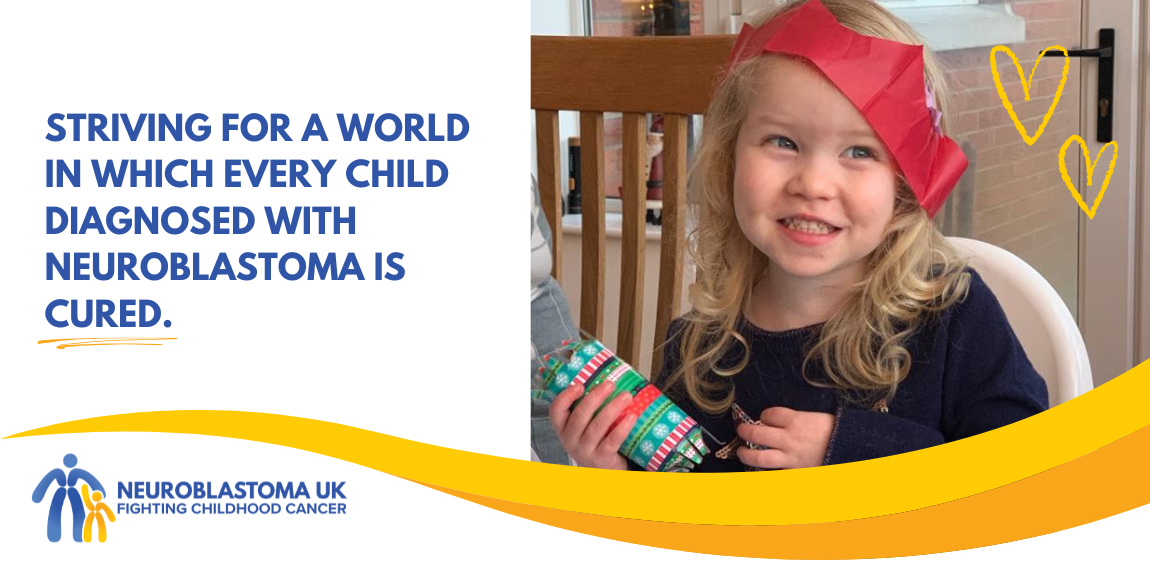
“Tilly was our youngest daughter. She was born in 2018 and the first three years of life she was a very happy lovely little girl. She was a lovely little girl with a cheeky sense of humour, full of smiles and laughter. She had a wonderful imagination, loved dancing and music, and was forever creating videos with her sister on our iPad. Just as she was heading to nursery she started complaining of leg pains and started being picky with her food. We took her to the doctor, and it was initially passed off as being ‘irritable hip’, or a post-viral infection, given that she was just starting nursery and coming into contact with other children. But eventually when we took her to A+E when she was becoming quite unwell, they diagnosed her with stage 4 neuroblastoma.
At that point she was put on a fairly brutal treatment regime, and sadly we lost her in September 2022 when she was four and a half.”
You've long been a supporter of Scott Arthur’s Rare Cancers Bill, tell me what you hope this bill will achieve.
“I hope it does precisely what it aims to, and shines a light on rare cancers and really pushed for more research into rare cancers, both those that affect children and adults, and makes the process of accessing clinical trials easier. With Tilly, we were offered a place on a trial, but it was in Glasgow, and we have another child. It was not logistically easy or straightforward for us to access that trial. Then there was also the jeopardy of actually whether you are going to be getting the drugs in the trial that are going to do the job that you hope. You're in a real place of torment as to what to do. We chose to not do it, and we often reflect whether that was that the right thing. Making that process easier and more supportive really would really help parents going through the same thing.”
There's also an element of this bill that will try to promote research and appoint a national speciality lead to promote and incentivise research. How do you feel this could make a difference?
“When I speak about shining a light on research into rare cancers that's precisely what I was talking about; having somebody there championing the cause of rare cancers. If you look at how some of the big charities carve up their research funding and their research allocation, such a small percentage goes towards rare cancers. Their argument is that a lot of that expertise trickles down to the rare cancers, but they’re not tackling them in a specialised way. There needs to be that shift in emphasis. When you think about what £1 or £10 worth of research could buy – I’m not wishing to draw any stark comparisons here – but for an adult that might buy them a few extra years, but you could be buying a full life for a child, and I think that makes the world of difference.”
This bill is finally going to get across the line what is your hope for it for the future and for people who find themselves in a situation like yours?
“I hope that fewer people will find themselves in our situation. We’re a family of four, but sadly only three of us are here every day. I would love to think that this bill will save lives. It will give children their childhoods back. It will give them their lives back. It will give adults valuable time with their children and their families. It will encourage the medical profession as well to leave no stone unturned. All of these are things that could come out of this bill and that could be hugely transformative.”