Neuroblastoma UK 2025 Innovation Grants
Neuroblastoma UK has awarded three Innovation Grants, formally known as Small Grants, in 2025 and late 2024 to support fresh, early-stage research that could pave the way for better treatments for children with neuroblastoma.
These small but vital grants allow scientists to explore new directions, build on existing research, and test bold ideas that could later attract larger funding. Many previous Innovation Grant projects have gone on to receive major investment and contribute to the development of more effective treatments for children with neuroblastoma.
Recently Funded Research Projects
1. Finding New Treatments for MYCN Non-Amplified Neuroblastoma
Led by Dr Yihua Wang at the University of Southampton, working alongside co-investigators Professor Juliet Gray and Professor Rob Ewing this project aims to find new treatments for MYCN non-amplified neuroblastoma. Running over a 12-month period, the project was part-funded by Neuroblastoma UK and The Grocers’ Charity.
Neuroblastoma behaves very differently between patients, some tumours shrink on their own, while others spread rapidly. Research has traditionally focused on tumours with a gene change called MYCN amplification, but other forms also need attention.
Dr Wang’s team recently discovered three sub-groups within neuroblastoma that don’t have MYCN amplification. One of them acts just as aggressively as MYCN-driven cancers.
They have identified a molecule called FIH that may drive tumour growth. Early results show that blocking FIH can reduce MYCN activity even without MYCN amplification. This could open the door to a completely new treatment approach.
If successful, it is hoped this research will lead to the development of FIH-targeted therapies within 6–10 years, offering new hope for children with aggressive neuroblastoma.
2. Testing Better Drug Combinations for High-Risk Neuroblastoma
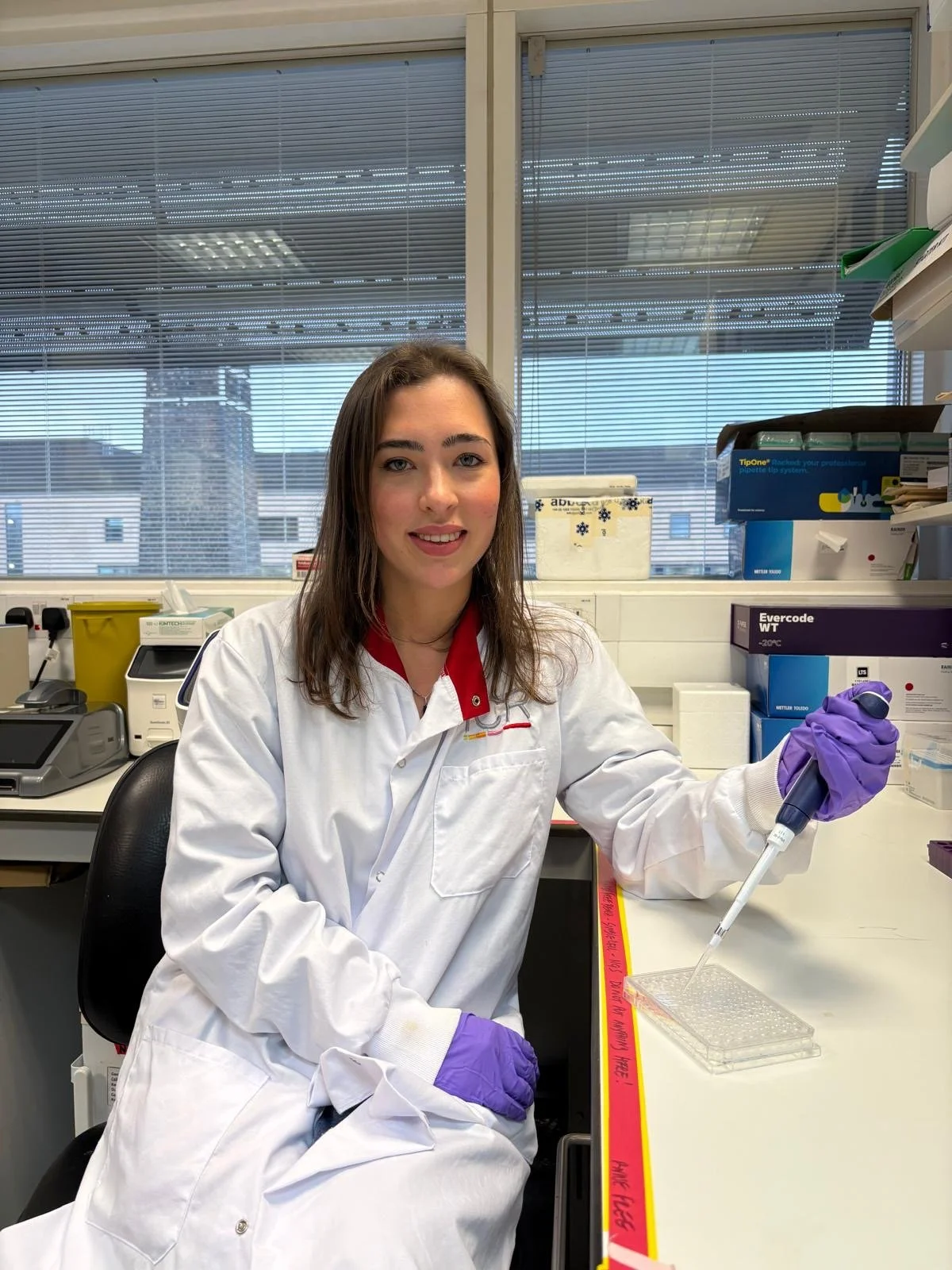
Georgia Martin
Awarded £2,000 from Neuroblastoma UK, this project - led by Georgia Martin at the Institute of Cancer Research and supervised by Professor Louis Chesler and Dr Elizabeth Tucker - investigated improved drug combination strategies for high-risk neuroblastoma over a six-week period.
Many children with high-risk neuroblastoma have changes in a gene called ALK. These tumours, especially when paired with MYCN amplification, often resist current treatments or return after therapy.
The drug lorlatinib can block ALK but may cause side effects, so safer and more effective combinations are urgently needed.
This project uses advanced 3D tumour models to test combinations of ALK-blocking drugs with ATR inhibitors to see which are most effective against chemotherapy-resistant tumours.
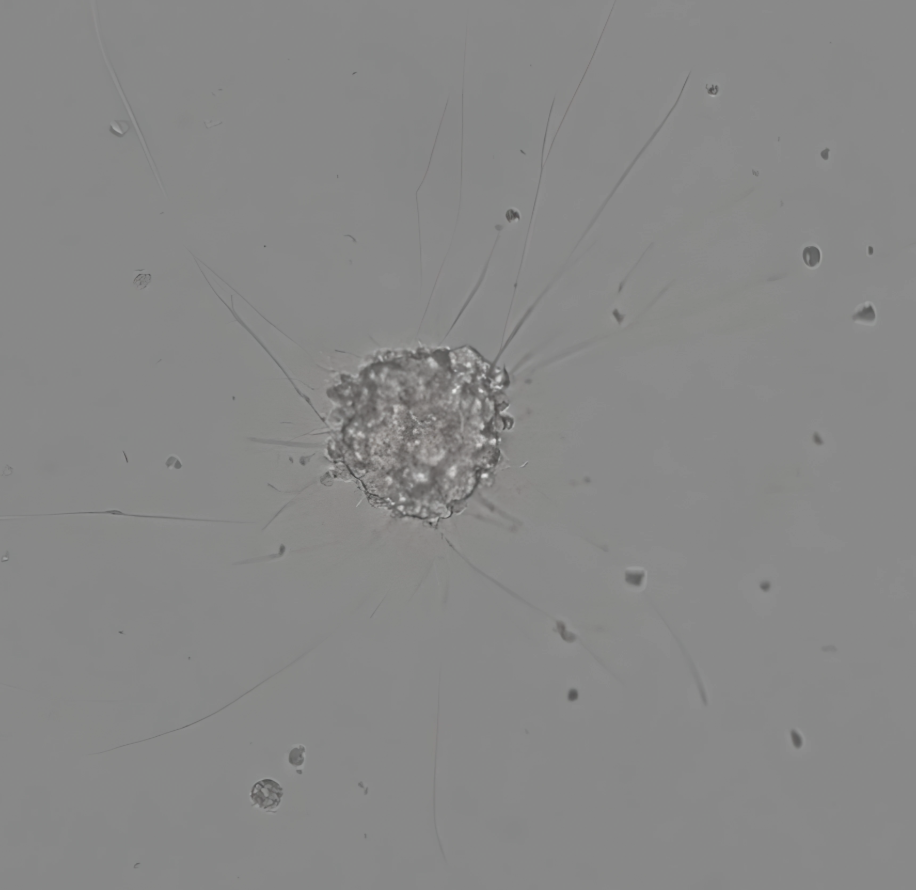
A tumour spheroid
It is hoped that the results of this research could support a future Phase 1 clinical trial testing improved drug combinations in children.
3. Boosting Immune Cell Therapies for Neuroblastoma
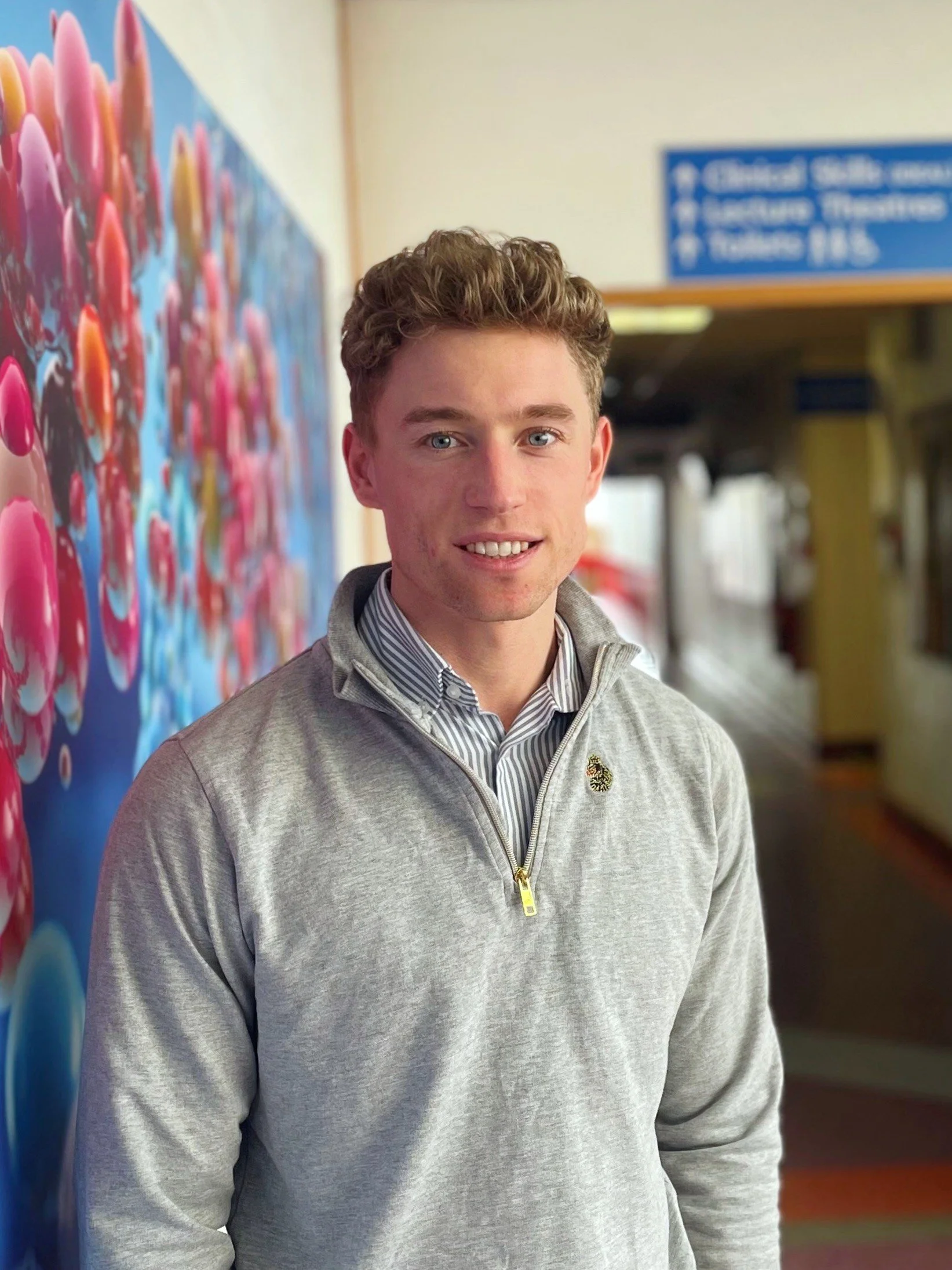
Dr Alex Look
Led by Dr Alex Look at the University of Southampton, working in collaboration with co-investigators Professor Zoe Walters, Professor Juliet Gray and Professor Tim Underwood the project will investigate boosting immune cell therapies for neuroblastoma. It is supported with £4,970 in funding from Neuroblastoma UK and will run over a 12-month period.
Immune-based treatments like CAR-T cell therapy have transformed some cancers but they do not yet work consistently in neuroblastoma.
Researchers are now exploring a promising type of immune cell called iNKT cells, which can kill cancer cells and may work better than standard T cells.
This study will test whether giving neuroblastoma cells certain epigenetic drugs (which change how genes are switched on or off), along with isotretinoin (already used in treatment), makes them easier for iNKT cells to destroy.
This research could strengthen future immunotherapy approaches and support larger projects combining CAR-iNKT therapy with epigenetic drugs.